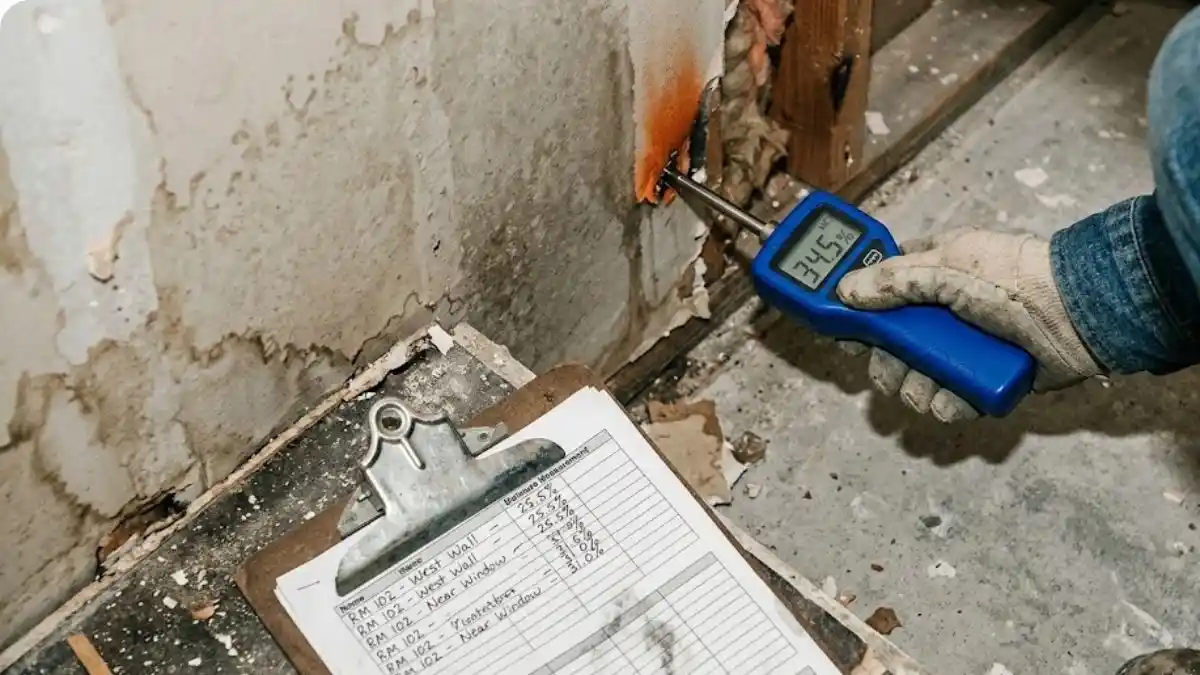
The insurance claim process after a water damage event is unfamiliar to most homeowners because most homeowners only go through it once or twice in their lives. The decisions made in the first 24 hours — whether to call the carrier or the restoration company first, what to photograph before anything is touched, which materials to preserve versus remove, how to characterize the event to the adjuster — have real consequences for claim outcomes. This page explains the process from a documentation and coverage perspective. We are not attorneys or insurance professionals; for specific legal or coverage questions, consult your carrier or a licensed public adjuster.
Call (703) 397-8315 for water damage restoration and claim documentation in Fairfax, VA — 24/7.
Coverage Categories: What Standard HO Policies Cover and What They Do Not
Standard HO-3 policies cover sudden and accidental water damage from internal causes — burst pipes, appliance failures, roof intrusion from storm damage. They exclude gradual damage, flooding from external water sources, sewer backup, and sump pump failure unless specific riders have been purchased. The table below covers the most common water events in Fairfax County and their typical coverage status.
| Water Event Type | Standard HO Coverage | Requires Endorsement | Typically Excluded |
|---|---|---|---|
| Burst supply pipe (sudden) | ✓ Covered | — | If gradual drip preceded burst |
| Appliance failure (sudden) | ✓ Covered | — | If appliance was known to be failing |
| Storm roof intrusion | ✓ Wind / water covered | — | Floodwater from outside |
| Sump pump failure / groundwater | ✕ Not covered | ✓ Sump pump rider | Without rider |
| Sewer / drain backup | ✕ Not covered | ✓ Sewer backup rider | Without rider |
| Overland / flash flooding | ✕ Not covered | ✓ NFIP flood policy | Without NFIP policy |
| Gradual / slow leak | ✕ Not covered | — | Standard exclusion |
| Mold (following covered water event) | Variable — policy-specific sublimit | May have separate mold rider | Mold from excluded water events |
The Sudden vs Gradual Distinction
The single most important coverage question in a water damage claim is whether the damage occurred suddenly from a specific event, or developed gradually over time. Sudden events — a pipe that burst when a cold snap hit, a washing machine hose that failed on a specific day — are covered under standard HO language. Gradual damage — a slow drip behind a cabinet that has been staining the subfloor for three months — is explicitly excluded because the policyholder had an obligation to discover and address ongoing leaks during routine maintenance.
Adjusters are trained to look for signs of long-term moisture exposure: black staining at the edges of wet areas, extensive rust on fasteners, prior staining visible in photographs, and the condition of damaged materials that indicates prolonged rather than sudden exposure. If your claim involves a water source that may have been dripping for any period before the main event, document when it was first discovered and what was observed.
Documentation: What to Capture Before Anything Is Touched
The most important documentation is the condition of the property at the moment of discovery, before any mitigation has been attempted and before any materials are removed. Photograph every affected area from multiple angles. Photograph the source of the water intrusion — the burst pipe, the failed appliance connection, the damaged roof section — in situ before any repair is made. If any materials must be removed for safety reasons before photography is complete, describe what was present in writing and preserve samples where feasible.
When our crew arrives, we photograph all affected areas and record moisture readings at structural materials before extraction begins. This documentation is the pre-mitigation baseline that establishes the scope of damage independent of any subsequent work. We organize and provide this documentation in a format that supports your adjuster's review.
The Mitigation Obligation
Standard HO policies require the insured to take reasonable steps to prevent further loss after a covered event. This means extracting standing water, tarping a damaged roof, and taking other actions that stop the scope from expanding. Failing to mitigate can give a carrier grounds to reduce or deny a claim for damage that occurred after the initial event because of inaction. The mitigation obligation is one reason why calling a restoration company promptly — even before completing notification to your carrier — is appropriate. Our documentation of the pre-mitigation condition and the actions taken protects your claim regardless of the notification sequence.
Adjuster Coordination and Documentation Formats
We document water damage claims using moisture meter readings referenced to IICRC S500 standards, photographic evidence organized by room and material type, and written scope narratives that describe what was found and what was done. This documentation format is familiar to residential insurance adjusters. We are available to answer technical questions from adjusters about methodology and readings, and we can provide additional documentation requested during the claims process. We do not negotiate claims on your behalf; that is the role of a public adjuster or attorney.
Sewer Backup and Sump Pump Rider Gaps
Two of the most common water damage events in Fairfax County — sewer backup from older lateral systems and sump pump failure during heavy rain — are not covered under standard HO policies without specific riders. If you have experienced either event and did not have the appropriate rider at the time, the cleanup is an out-of-pocket expense. If you are in the process of recovering from such an event, we work transparently on scope and pricing. For future events, adding a sewer backup rider and sump pump failure endorsement to your HO policy is worth confirming with your agent given the prevalence of both events in established Fairfax County neighborhoods.